
aka TA2 – “The Tattoo Poet”
Some artists fill a wall with tattoos. And some artists, without meaning to, end up telling the story of their own life in every piece they sign. Arcangel Tattoo belongs to the second kind. What follows is his story, in his own words — from an apartment in Caracas to the faces of legends, passing through the crack from which everything he is today was born.
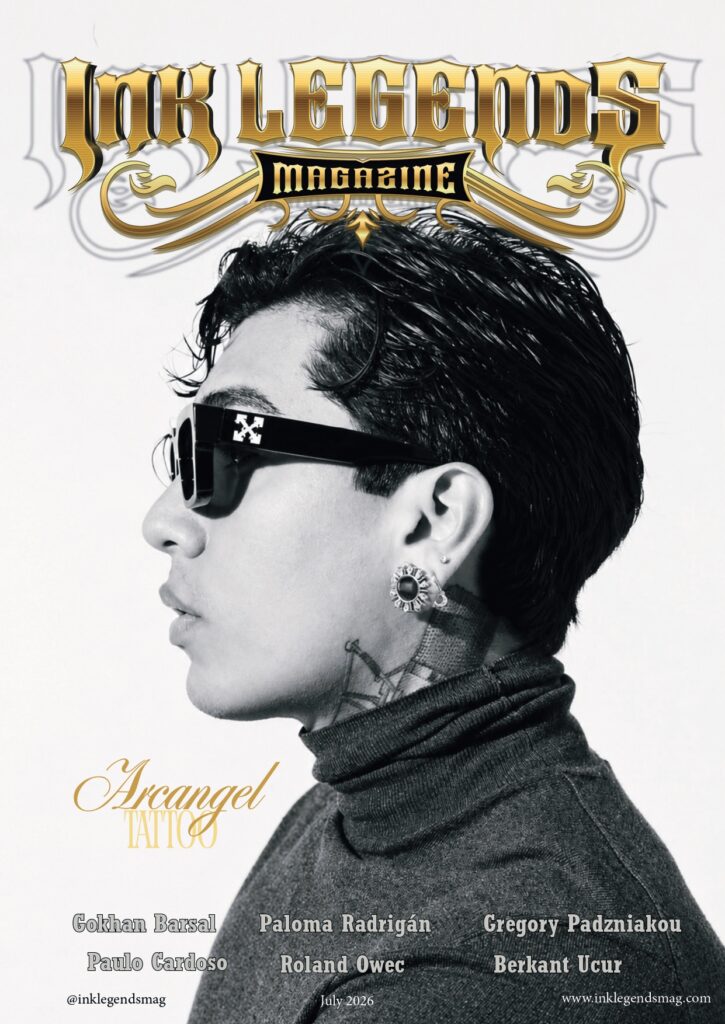
As the cover artist of the July issue of Ink Legends Magazine, Arcangel Tattoo shares his story in this exclusive interview, offering a rare insight into the experiences, challenges, and artistic vision behind his remarkable career.
Can you please start by introducing yourself and telling us about your journey as a tattoo artist?
I don’t think you choose art. I think art chooses you — and then it waits, patiently, until you’re ready to hear it. It chose me when I was very young, though it took me years to understand.
I grew up in an apartment on the west side of Caracas, between three forces that would shape everything I am: music, religion, and business. My father sang in churches; faith in my home wasn’t a habit, it was the absolute center of everything. My grandmother, on the other hand, taught me to see life through different eyes — that money isn’t to be loved, but understood; that it’s a tool to build with. Two opposite worlds under the same roof.
But a very strict religious upbringing came at a price: for years, I couldn’t express who I really was. I felt things, I dreamed things, that the world I lived in wouldn’t allow. And there, without knowing it, the duality that defines all my work today was born — that tension between who you are inside and who the world expects you to be. From that crack came my rebellion. And from that rebellion, in time, came art.
As a kid I sold drawings of cars at school. It was a small business, but the two forces that would define me were already there, without my knowing it: art, and the instinct to build with it.
They named me Miguel Arcángel. The world knows me as Arcangel Tattoo, and more and more as TA2 — The Tattoo Poet. But before the names, before the first machine, I was just a kid looking for somewhere to put everything I carried inside. Tattooing was the answer. That’s where I understood that I hadn’t come to put ink on skin, but to make permanent what people feel and can’t manage to say.
“From that crack came my rebellion. And from that rebellion, in time, came art.”
You specialize mainly in black and grey realism. What drew you to this style, and why did you choose it as your main artistic direction?
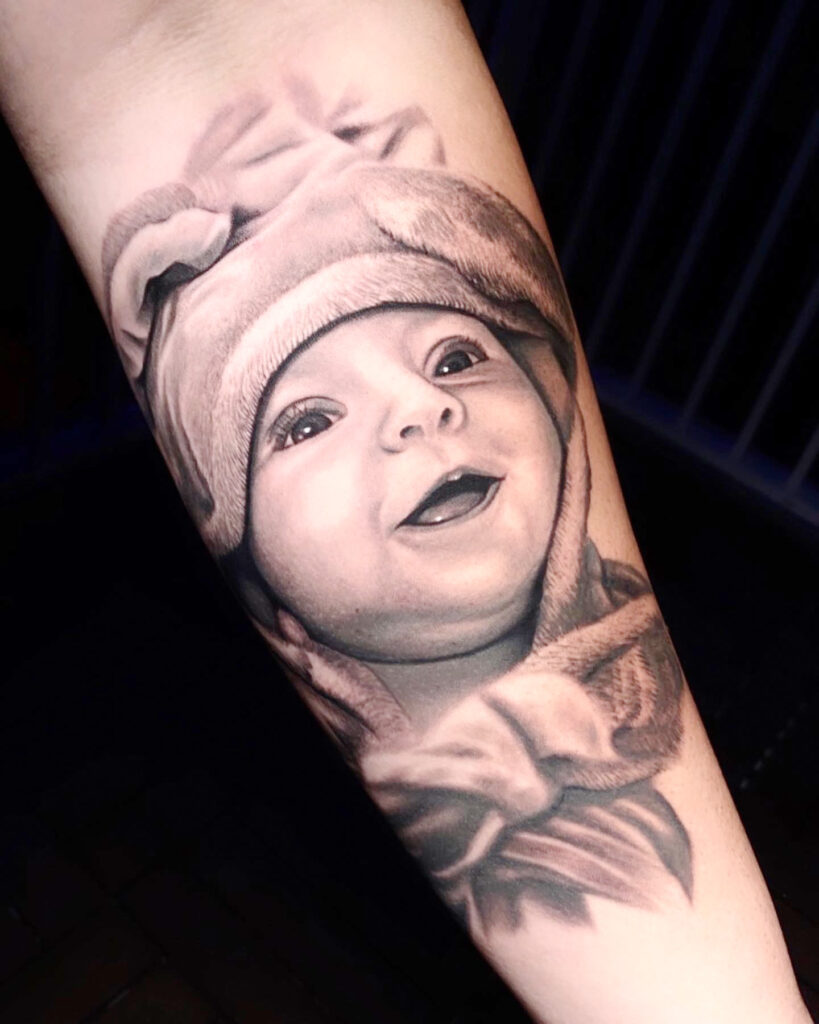
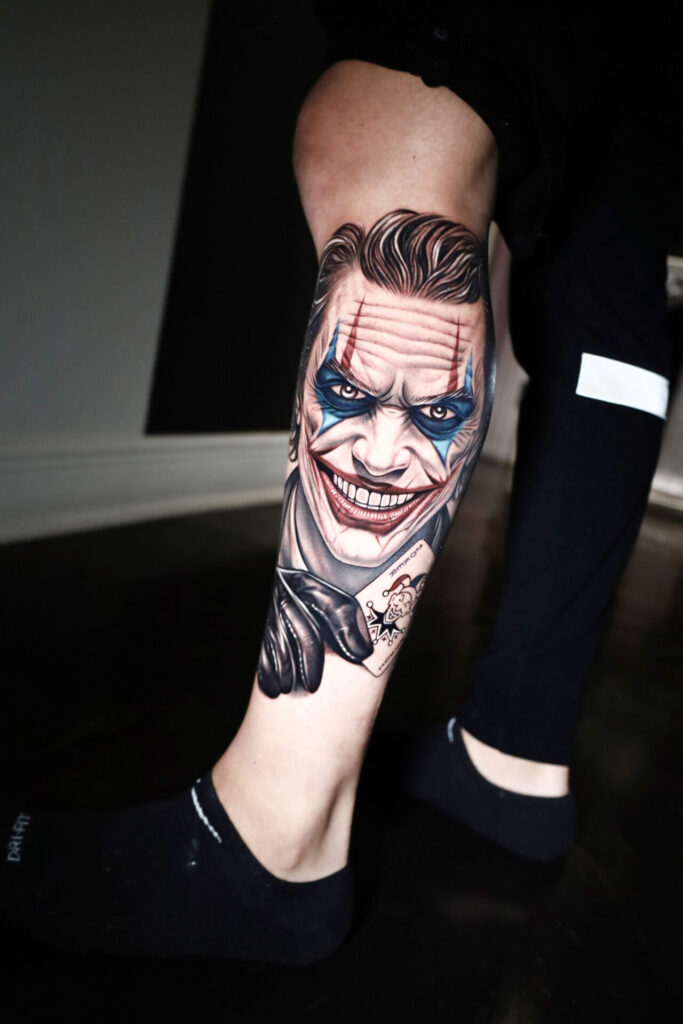
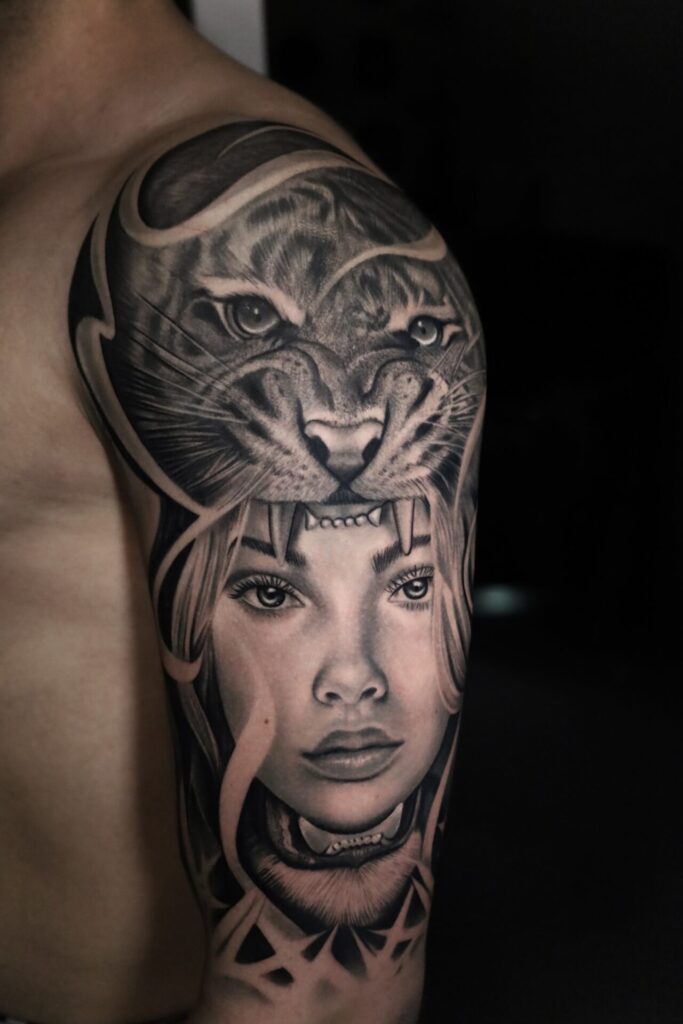
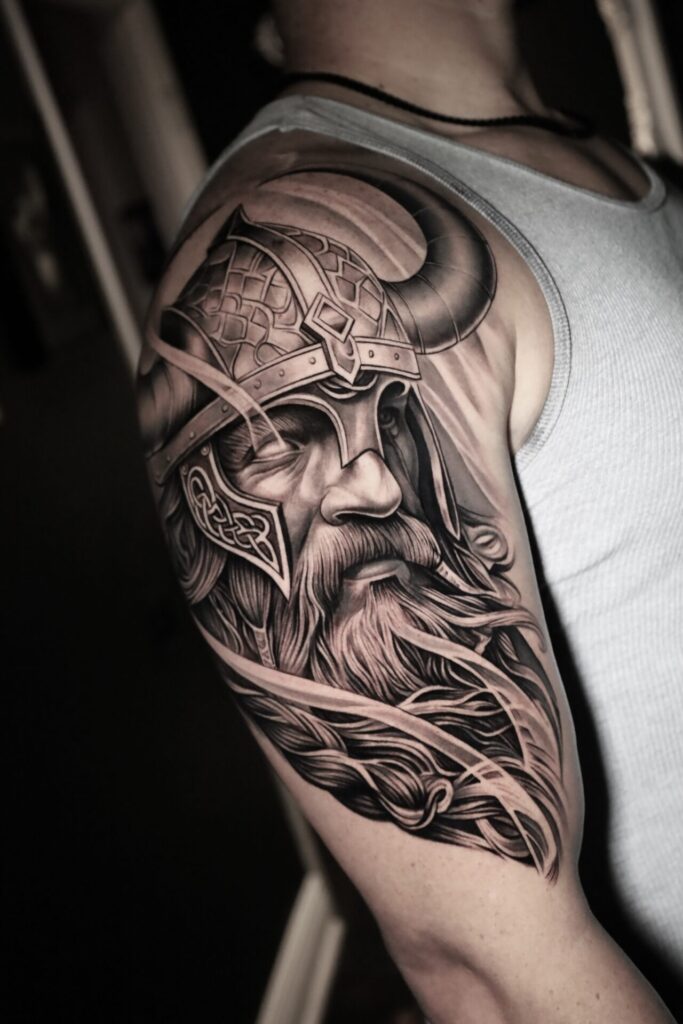
There’s a reason I fell in love with black and grey, and it has to do with how I see life. Color shows you a single version of things. Black and white, on the other hand, lives in the tension — between light and shadow, between what’s seen and what’s hidden. I grew up between contrasts, so when I discovered this technique, I felt I had finally found a language I already spoke on the inside.
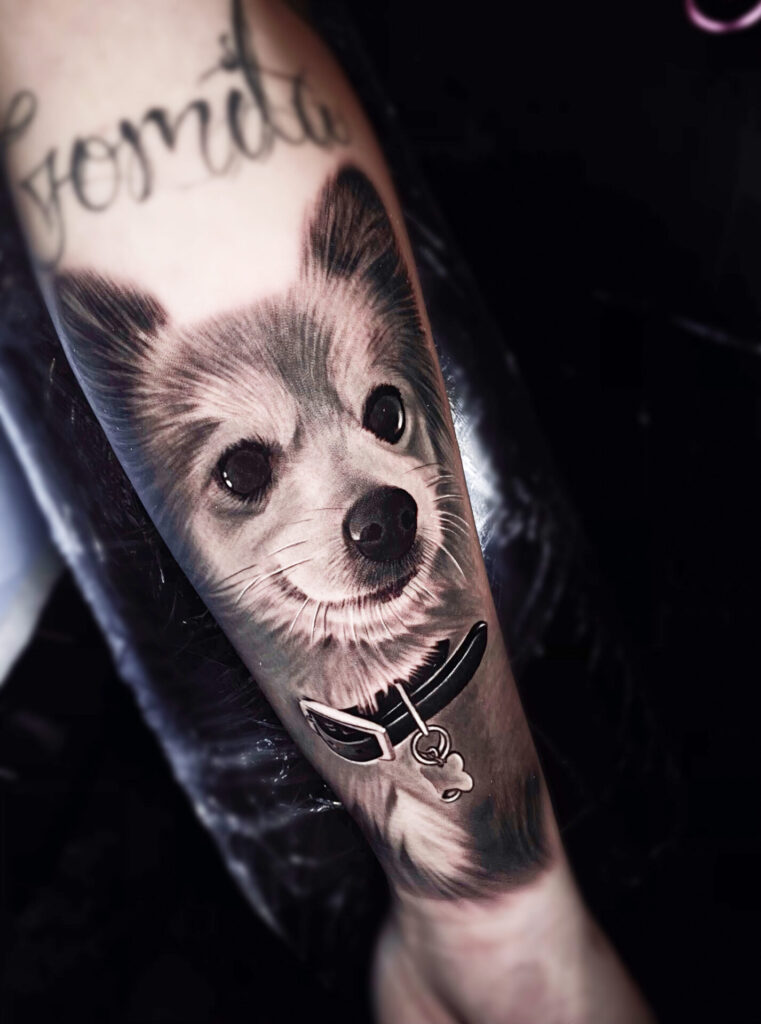
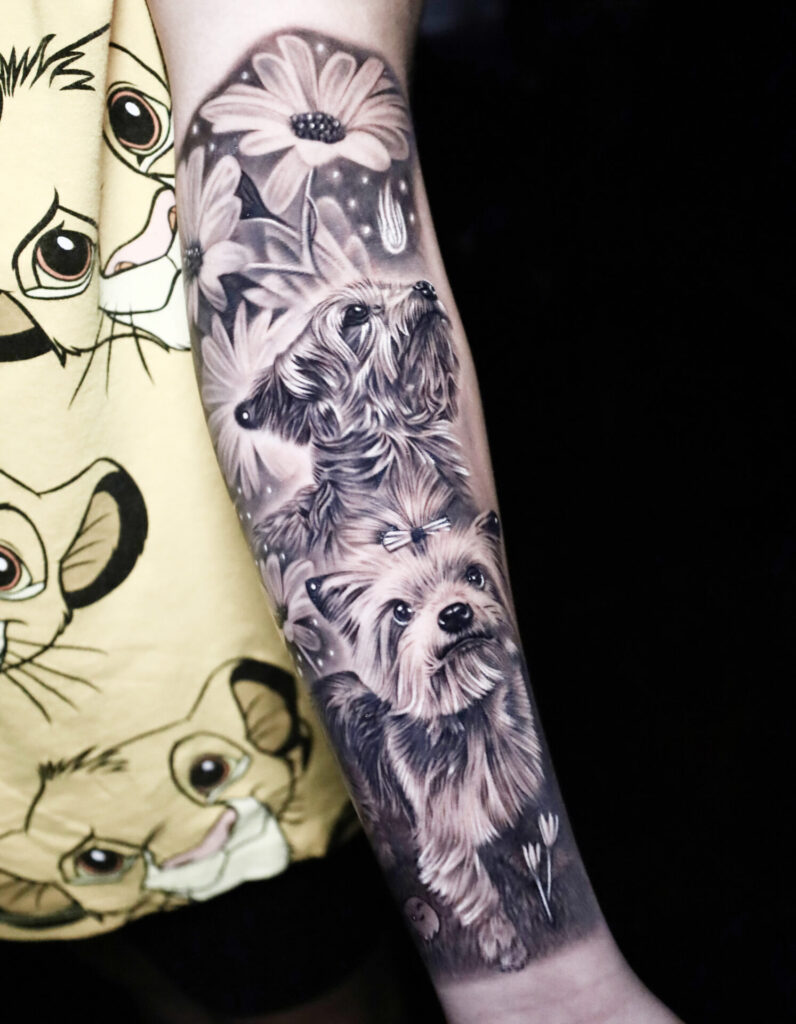
But don’t misunderstand me: realism is unforgiving. Every shadow, every texture, every transition has to be exact, or the piece dies. I became obsessed with that — with making a shadow feel like a whisper, with making a gaze on the skin look back at you.
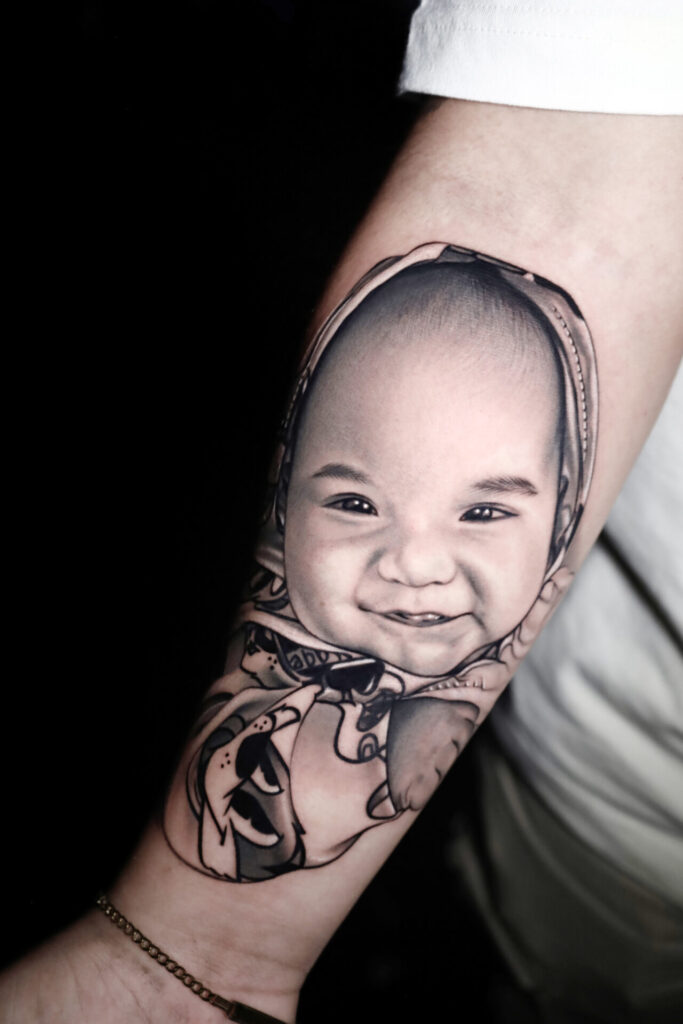
“Realism isn’t about copying a photograph. It’s about giving a soul to an image, so it connects with the person who carries it forever.”
Your work is known for its detail, depth, and emotional impact. How do you approach a realistic tattoo so that it feels not only technically strong, but also meaningful for the client?
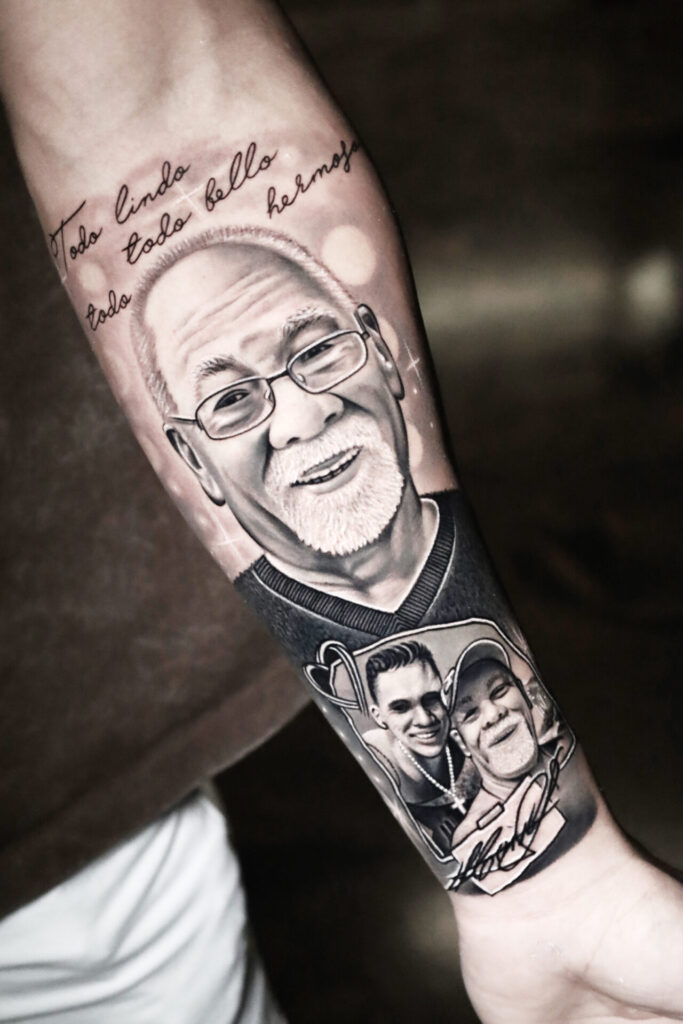
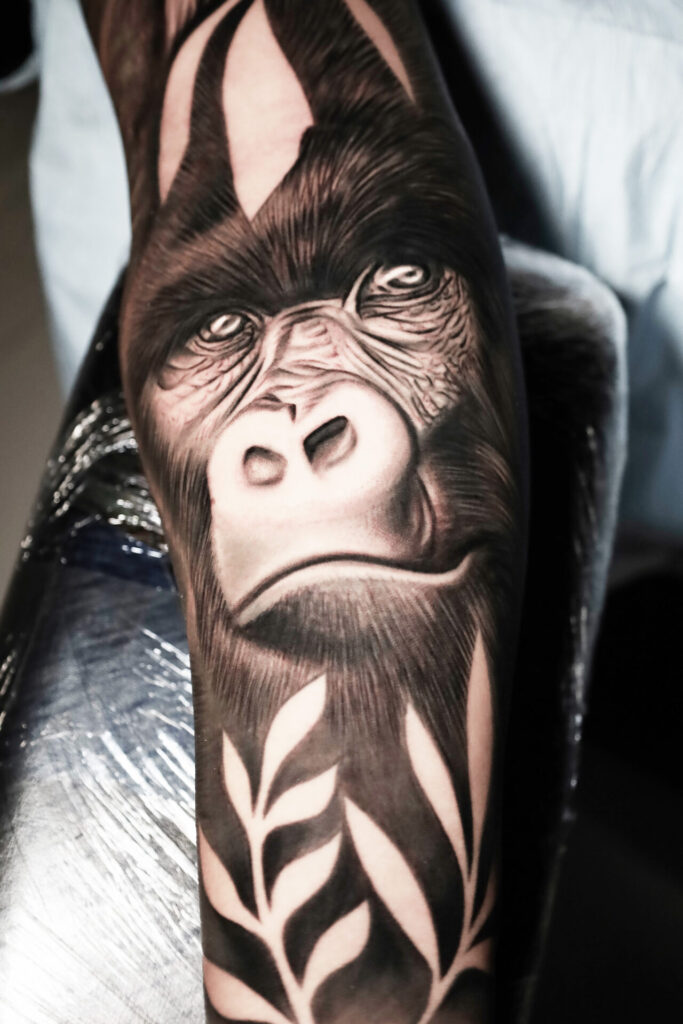
Technique can be learned. What can’t be learned is how to listen. Before I draw a single line, I need to know what’s behind what they’re asking me for. That’s why I always ask the same question: what do you want to project? Because the same face can scream glory or whisper sadness, depending on the soul you give it.
Let me give you an example I’ll never forget. A well-known producer was getting an owl tattooed with me. In the middle of the session, I noticed a gold chain with diamonds he was wearing — the symbol of his record label, of everything he had built. Without saying anything, I worked it into the design; I placed it on the owl. When I showed him, he was speechless. It was no longer a beautiful tattoo. It was him. It was his story.
“I want that ten years later, when that person looks in the mirror, they feel exactly what they felt the day they got it. A tattoo shouldn’t age. It should keep speaking.”
Was there any turning point in your career that helped you reach the level you are at today — a specific experience, mentor, convention, project, or personal realization?
Conventions changed me. Sitting down to compete next to artists I admired forced me to raise my level, to stop comparing myself with where I was yesterday and start chasing where I wanted to be tomorrow.
But the real turning point didn’t happen on a stage or a platform. It happened inside me. It was the day I understood that art has no finish line. While I chased only recognition, I lived anxious, measuring myself against others. When I let that go and focused on evolving — as an artist and as a person — everything changed. I stopped running toward a prize and started walking toward a more complete version of myself. That’s when my work took off.
You have participated in tattoo conventions and received awards for your work. What have these experiences given you, and how have they influenced your growth as an artist?
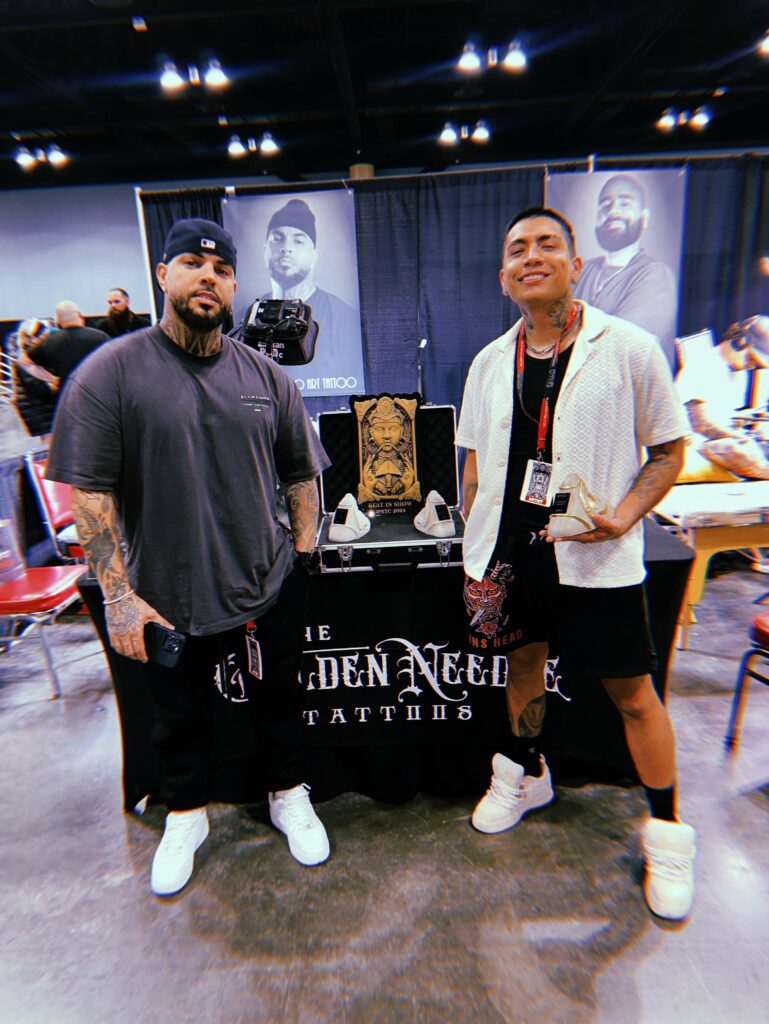
I’m grateful for the awards, but I’ll be honest with you: they were never the goal. They’re a consequence, not a destination. A trophy looks nice on a shelf, but what I really take from each convention is something else — the people I meet, what I learn from watching others work, the conversations that send me home a better artist.
“The day I feel I’ve arrived will be the day I stopped growing.”
Each award, to me, is a silent reminder of the years of practice, the nights of sacrifice, the discipline no one sees. But above all it reminds me that this never ends. There’s always a new technique, a different perspective, a version of you that you don’t know yet.
You have also worked with recognized public figures and artists. What has it been like tattooing celebrities, and how have those collaborations shaped your brand and visibility?
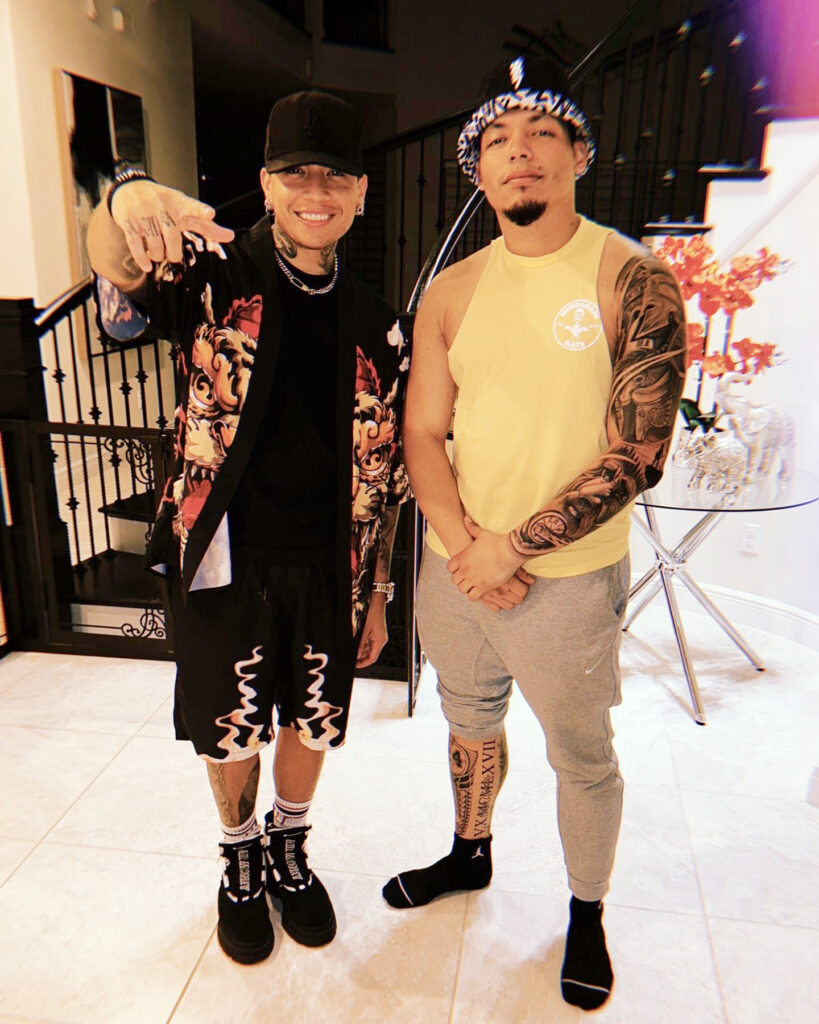
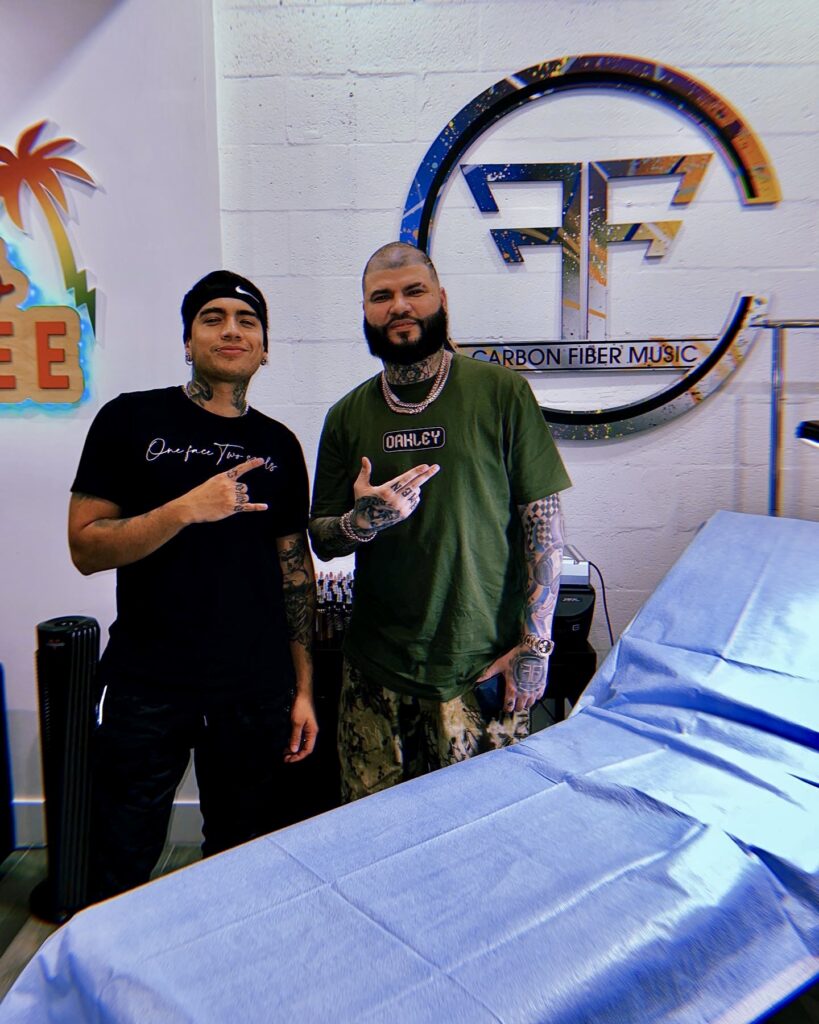
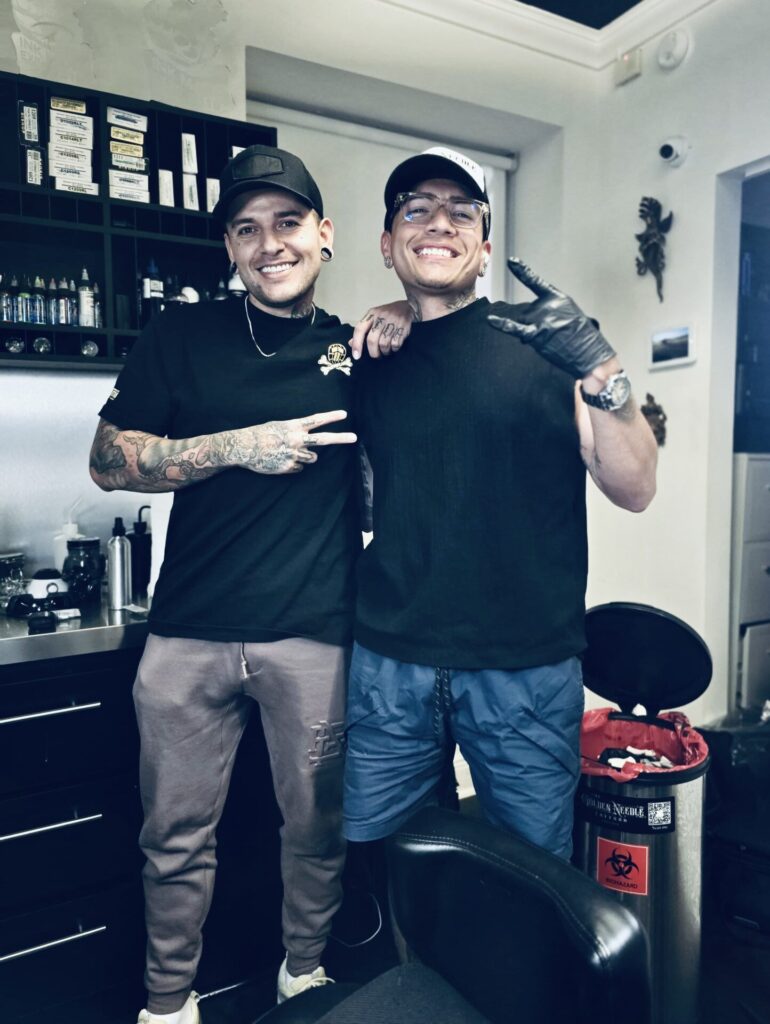
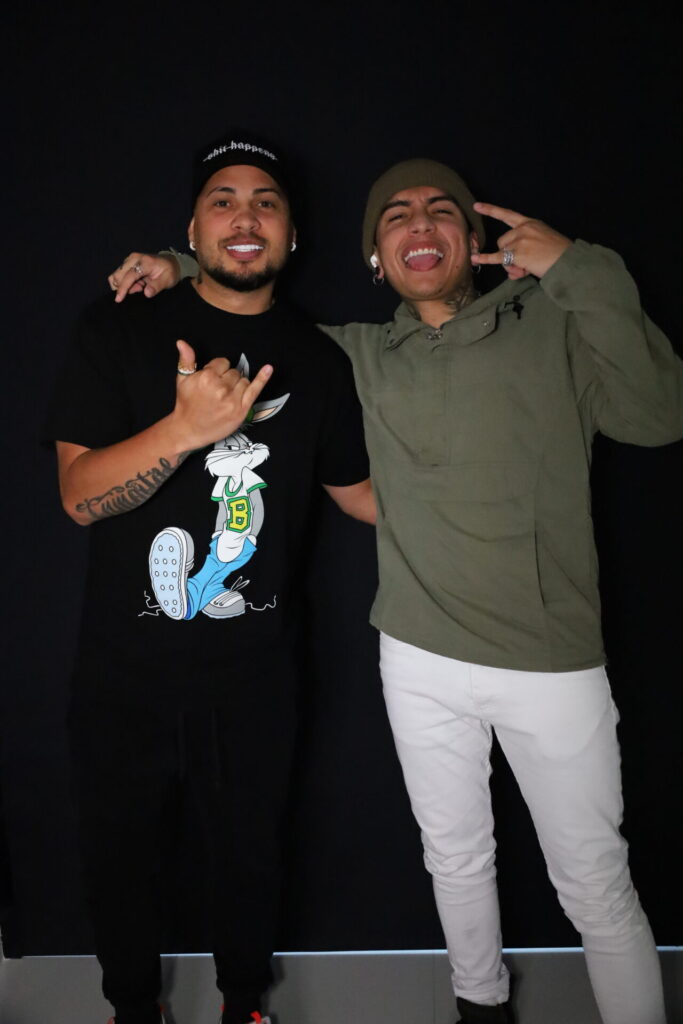
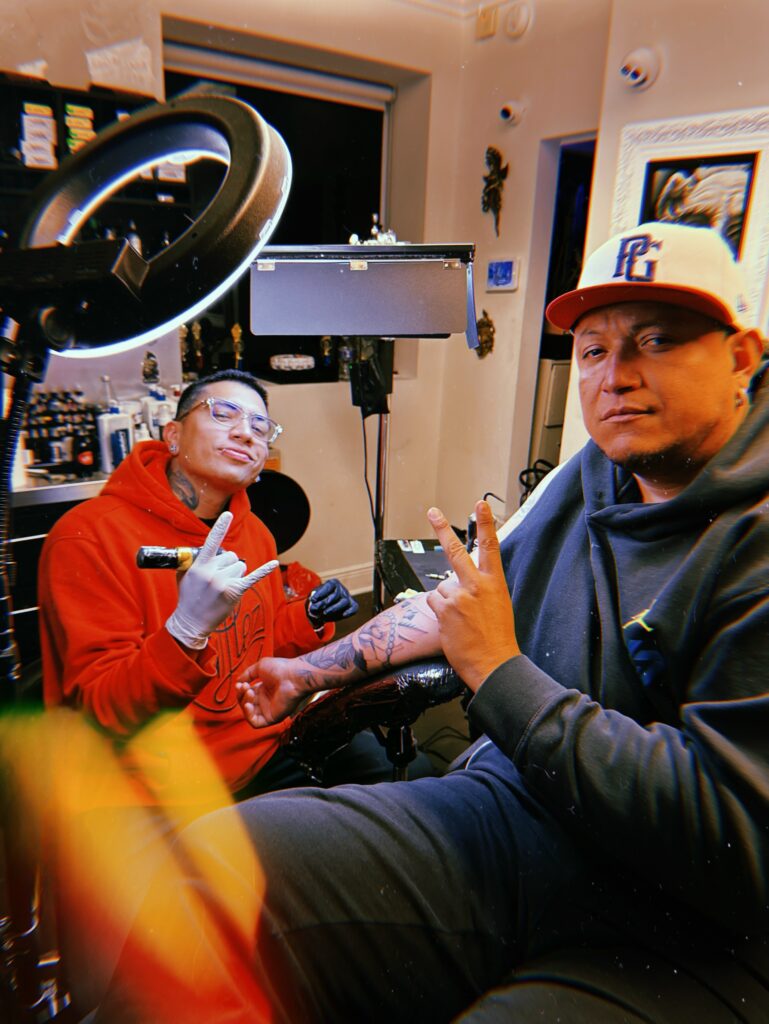
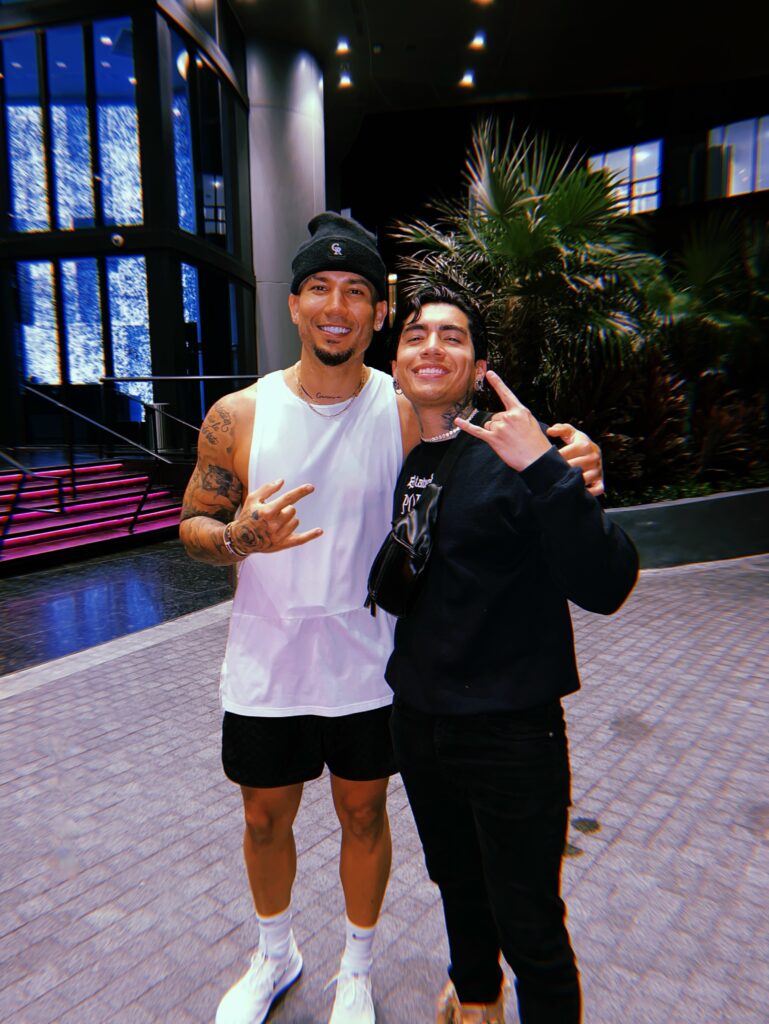
I’ve had the honor of tattooing Nicky Jam, Farruko, Kendo Kaponi, Miguel Cabrera, Carlos Arroyo, and other names from sports and music. But let me confess something: to me, what mattered was never the fame of whoever sits in my chair. It was what that person hands me when they do.
“When someone who could choose any artist on the planet chooses you, they aren’t handing you their image. They’re handing you their trust. And that is sacred to me.”
There are stories that marked me forever. Kendo Kaponi had promised his mother he would never tattoo his skin, and he kept that promise for years. When he lost his son, he broke it only once — on his face, where no one could ignore it — and he chose me to do it.
And Miguel Cabrera… I watched him bat as a kid, on an old television in Caracas, never imagining that one day I’d be sitting across from him, tattooing him, sharing a meal, talking about life. When it happened, I understood I was closing a circle that life had begun to write long before I knew it.
Beyond tattooing, your brand is now expanding into a larger artistic and conceptual universe through “One Face Two Souls.” Can you explain what this concept means and how the idea was born?
One Face Two Souls isn’t a project I invented. It’s a wound I understood. For years I felt I had two worlds living inside me — music and tattooing — and the whole world kept asking me to choose one. To make up my mind. As if being two things at once were a flaw.
It took me time to understand the question was wrong. They were never two paths. They were always the same one, expressing itself in two different ways. The day I stopped fighting that duality and embraced it, I stopped feeling divided and started feeling whole.
“One face, two souls. I didn’t come to separate my two worlds. I came to fuse them into one.”
That’s what One Face Two Souls is: the representation of the duality we all carry inside. The one I learned by force as a child, and that today is the center of everything I create.
“One Face Two Souls” seems to combine tattoo art, music, cinematic visuals, and emotional identity. How do these different creative elements connect together in your vision?
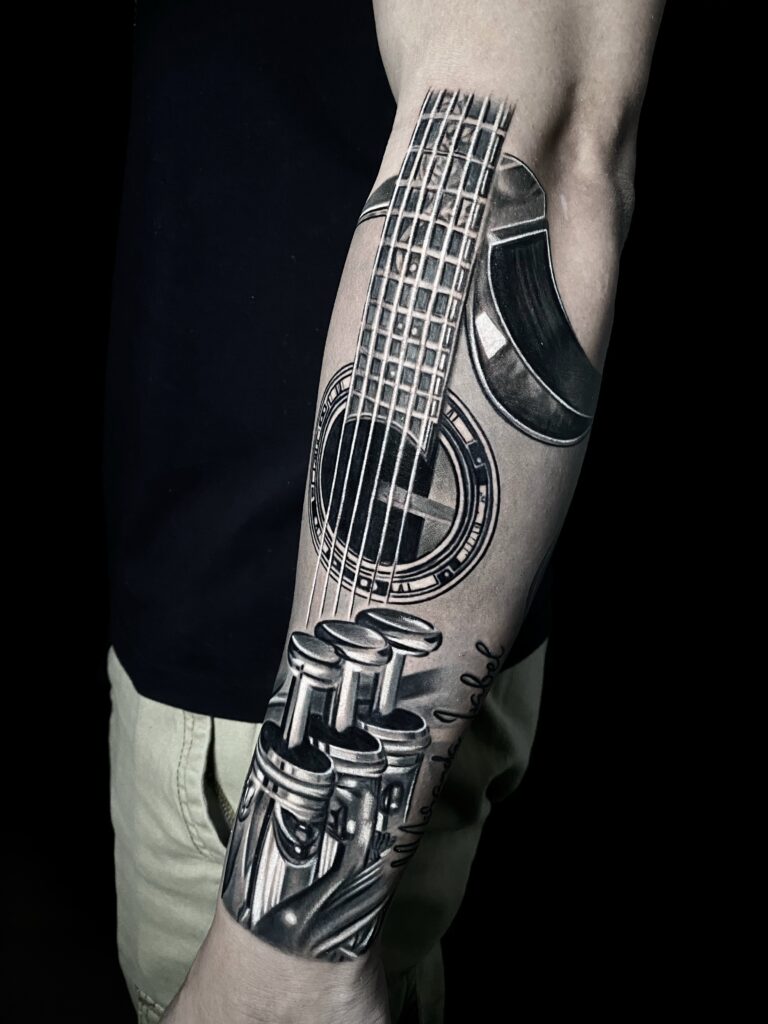
For me, the borders between the arts never existed. That idea that tattooing goes one way, music another, and film another… I don’t see it. To me it’s all the same language told in different ways. Tattooing tells stories with images. Music tells them with sound. Film tells them with emotion and movement.
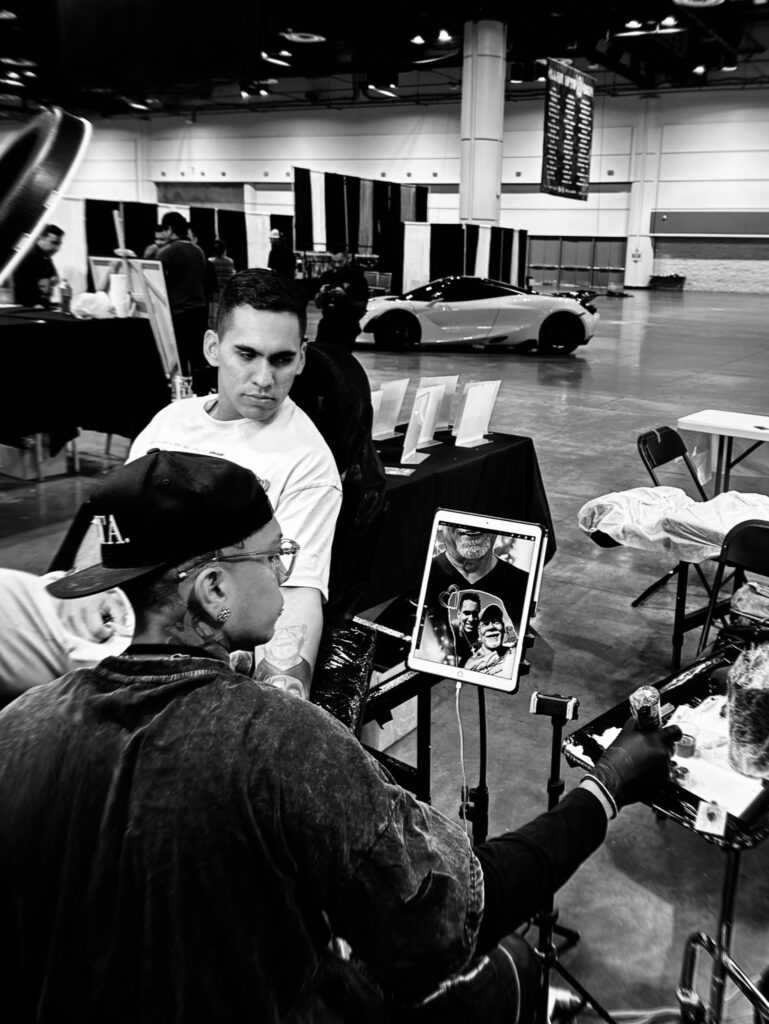
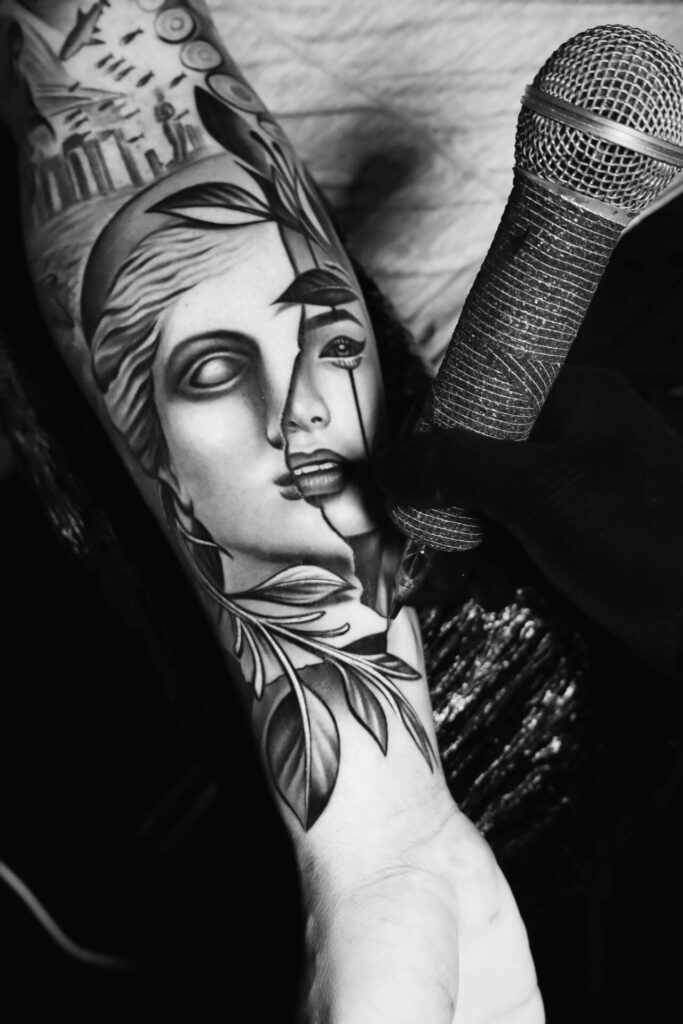
That vision lives in every detail of how I work. At my station I use one black glove and one white — the duality, always present. I customized one of my machines in the shape of a microphone, because my two passions live together there, in a single object.
“When I combine all those ways of telling a story, I’m not making a tattoo or a song. I’m building an experience people don’t just see or hear, but feel.”
What message or feeling do you want people to experience through “One Face Two Souls,” and how does it reflect your personal evolution as an artist?
If I had to sum up the message in one sentence, it would be this: you don’t have to choose a single version of yourself. I lived trapped in that idea for years — feeling I had to be one thing or the other, to fit into a single mold. And when I freed myself from that, I found my voice.
We all live between contrasts: light and darkness, reason and emotion, success and failure, confidence and doubt. Society teaches us to hide half of who we are. One Face Two Souls is exactly the opposite: it’s the acceptance of that duality, the permission to be everything you are at the same time.
“Our contradictions don’t weaken us. Many times they are precisely what makes us unique.”
That’s why this concept reflects my evolution. I went from being a kid who couldn’t show who he was, to a man who made that duality his flag. That’s the journey. And it’s only just beginning.
What are your plans for the future, both in tattooing and with your wider creative projects?
I want to keep raising the bar as a tattoo artist — that will never stop; as long as I live, I’ll want to be better than I was yesterday. But my vision no longer fits on skin alone. I want to expand One Face Two Souls into a platform where music, visual art, and human stories meet in the same place.
I dream of projects that transcend tattooing, that touch people from several angles at once. So that someone can feel a piece of mine even if they never sit in my chair.
“Don’t let your current reality define the size of your dreams.”
I’m proof of that. The kid who drew cars in a school in Caracas now tattoos legends and is building a universe of his own. If I could, anyone with discipline and faith in what they do, can.
What are your hobbies and interests outside of tattooing and art?
Music, always. It’s the other heartbeat of my life, the one that never goes quiet. But if there’s something that defines me outside the studio, it’s that I don’t know how to stay still: I live learning. I devour audiobooks on personal growth and business, I study investments, I try to understand how the world works beyond the ink.
I come from a grandmother who taught me to see the value of things, so that mindset of building, of growing, I carry with me everywhere. To me, professional growth and personal growth are the same thing — one doesn’t exist without the other.
“I deeply believe in continuous evolution. I’m always looking for something that makes me grow, professionally and personally. The day I stop evolving, I’ll stop being me.”
From the kid who couldn’t show who he was, to the man who turned that duality into his flag. That is the story of Arcangel Tattoo — and, as he says himself, it’s only just beginning to be written.
Some souls don’t choose between their passions. They fuse them into one — and create something the world had never seen. One face. Two souls.
Article by Lenka Bnayarova, published July 10th 2026